
 by
by 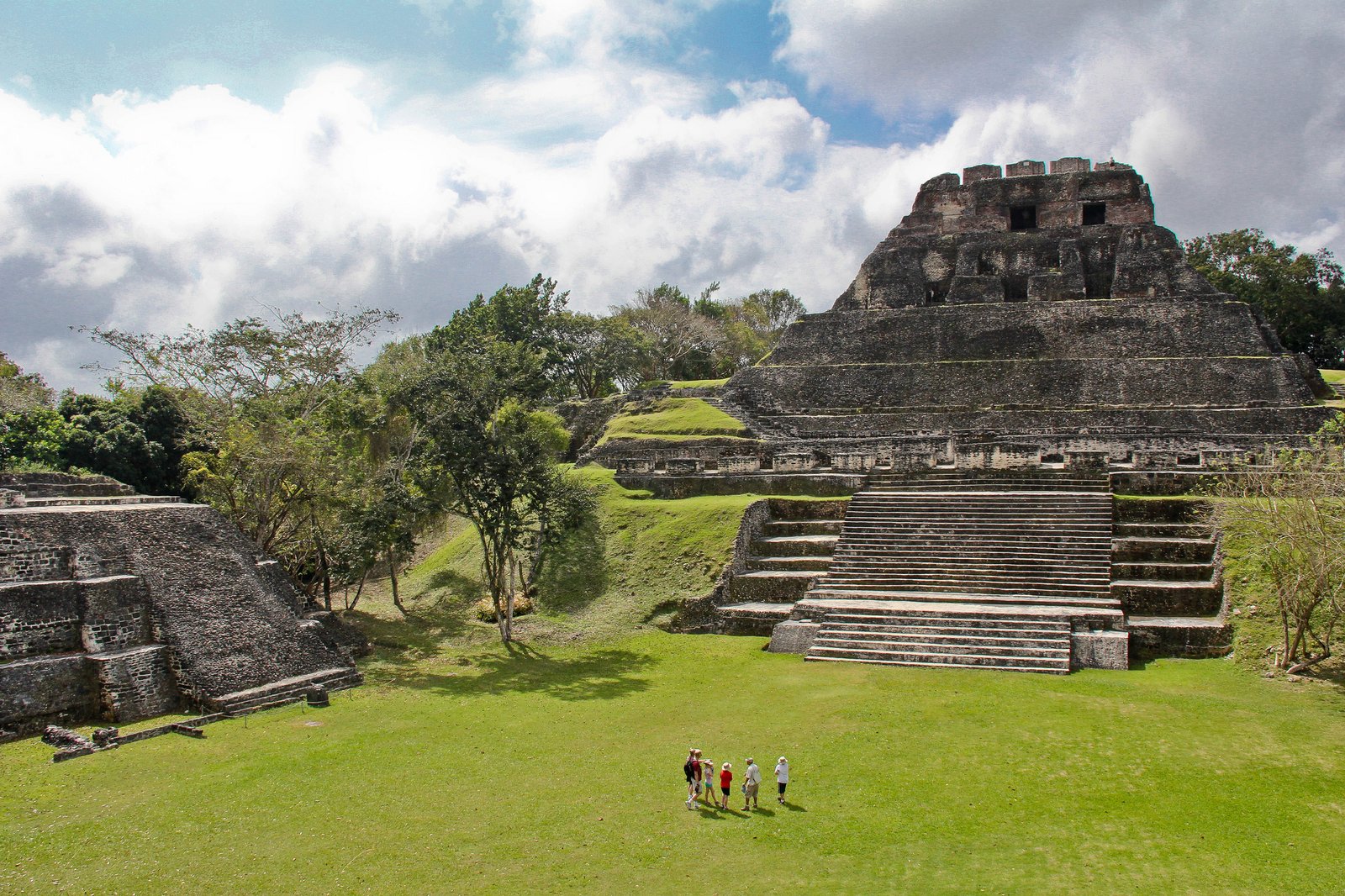
The Maya ruins of Belize are among the most rewarding ancient sites in Central America, ranging from Caracol, the country's largest city, to Lamanai on its jungle river and the sacred ATM cave with its Crystal Maiden. This guide maps every major site by region, explains what makes each special, and shows you how to visit in 2026.
Key Takeaways
- Belize sits at the heart of the ancient Maya world, with sites spanning roughly 1200 BCE to the Spanish arrival in the 1500s.
- Caracol is the largest site and home to Caana, at 143 feet still the tallest structure in Belize.
- The Cayo District near San Ignacio is the best base, putting Caracol, Xunantunich, Cahal Pech and the ATM cave within reach.
- Northern Belize offers Lamanai (reached by river) and Altun Ha (source of the famous jade head), both easy day trips.
- Southern Toledo (Lubaantun, Nim Li Punit) and northern Cerros reward travelers who want ruins without the crowds.
The Maya Civilization in Belize
Belize was never a backwater of the Maya world; it was central to it. For more than 2,000 years, city-states rose across what is now Belizean territory, trading jade, obsidian, cacao and salt along rivers and the Caribbean coast. Population estimates for the region once ran into the millions.
The timeline stretches from the Preclassic period (settlements at Cahal Pech by around 1200 BCE and coastal trade hubs like Cerros) through the Classic florescence (Caracol, Xunantunich and Altun Ha at their peak, roughly 250-900 CE) and into the Postclassic, when Lamanai remained occupied to greet Spanish missionaries in the 1500s.
What sets Belize apart today is access and atmosphere. Sites are uncrowded, many temples are still climbable, and lush jungle presses close, so howler monkeys and toucans are part of the experience. To understand the living side of this heritage, see our guide to Belize Culture.
Quick Reference: Major Maya Sites by District
| Site | District | Standout Highlight |
|---|---|---|
| Caracol | Cayo | Caana pyramid, 143 ft; largest site in Belize |
| Xunantunich | Cayo | El Castillo and its astronomical frieze |
| Cahal Pech | Cayo | Oldest site in western Belize; hilltop palace |
| Actun Tunichil Muknal (ATM) | Cayo | Sacred cave with the Crystal Maiden |
| Lamanai | Orange Walk | River access; Mask and High temples |
| Altun Ha | Belize | Kinich Ahau jade head; Belikin logo temple |
| Lubaantun | Toledo | Mortarless "fallen stones" architecture |
| Nim Li Punit | Toledo | 25+ carved stelae, including a giant |
| Cerros (Cerro Maya) | Corozal | Preclassic coastal center with stucco masks |
Caracol: The Largest Maya City in Belize
Deep in the Chiquibul Forest Reserve of the Cayo District, Caracol is the giant of Belizean archaeology. At its height the city sprawled across roughly 38 square miles and may have housed close to 100,000 people, rivaling and, in 562 CE, famously defeating mighty Tikal in Guatemala.
Its centerpiece is Caana, or "Sky Place," which rises 143 feet and remains the tallest man-made structure in the entire country. Standing atop it, you look out over unbroken jungle toward the Maya Mountains.
How to visit
Caracol is remote, reached by a long unpaved road from the Mountain Pine Ridge. Go with a licensed guide or tour, start early, and pair it with a stop at Rio Frio Cave or the Rio On Pools. Road conditions vary, so confirm access before you set out.
Cayo's Trio Near San Ignacio: Xunantunich and Cahal Pech
The town of San Ignacio is the most convenient base for ruin-hopping, with two showpiece sites minutes away.
Xunantunich
Perched on a ridge above the Mopan River, Xunantunich (meaning "Stone Woman") is reached by a charming hand-cranked cable ferry, part of the fun. Its temple El Castillo stands about 130 feet tall and is wrapped by a restored frieze depicting the sun, moon and Venus. Entry is inexpensive and the site is easy to tour in a morning.
Cahal Pech
Overlooking San Ignacio itself, Cahal Pech ("Place of the Ticks") is one of the oldest known Maya sites in western Belize, with settlement dating to around 1200 BCE. Compact and atmospheric, its palace complex of plazas and courtyards was once an elite family's hilltop residence, and an on-site museum sets the scene.
For everything else in the region, see our Cayo District hub and Things to Do in Belize.
Actun Tunichil Muknal: The Sacred ATM Cave
No site captures the Maya spiritual world like Actun Tunichil Muknal, better known as the ATM cave, within the Tapir Mountain Nature Reserve in Cayo. National Geographic once named it the world's top sacred cave.
Tours wade and swim into a river passage before reaching dry chambers where the Maya left ceremonial pottery, much of it pierced with "kill holes" to release the spirits within. The unforgettable finale is the Crystal Maiden, the calcified skeleton of a young sacrifice victim whose bones now sparkle like glass.
How to visit
The ATM is accessible only with an authorized guide, and numbers are limited. Expect a jungle hike, river crossings and some tight passages. Cameras have been banned since 2012 to protect the artifacts, so leave yours behind. See our companion piece on Cave Tubing & the ATM Cave in Cayo for logistics.
Northern Belize: Lamanai and Altun Ha
Lamanai
On the New River Lagoon in Orange Walk, Lamanai holds the longest continuous occupation of any site in Belize, roughly 900 BCE until Spanish contact in the 1500s. The journey is half the magic: most visitors travel by boat up the New River, spotting crocodiles, birds and iguanas en route. Highlights include the Mask Temple, adorned with a ruler emerging from a crocodile headdress, the towering High Temple, and the Jaguar Temple. Plan your trip with our Lamanai Maya Ruins & New River Safari guide.
Altun Ha
Just 31 miles from Belize City, Altun Ha is the country's most accessible major ruin and a popular cruise-day excursion. Its Temple of the Masonry Altars appears on every bottle of Belikin beer. Altun Ha is also where archaeologists unearthed the Kinich Ahau jade head in 1968, a carved sun-god weighing nearly 10 pounds and considered the largest jade object found in the Maya world; it appears on Belize's currency.
Southern Toledo: Lubaantun and Nim Li Punit
The Toledo District rewards travelers heading south toward Punta Gorda and Placencia.
- Lubaantun, "place of the fallen stones," is unusual for its precisely cut, mortarless black-slate architecture. It is tied to the disputed legend of the Mitchell-Hedges crystal skull, adding a dose of mystery.
- Nim Li Punit, meaning "big hat," is celebrated for its collection of more than 25 carved stelae, including one of the tallest ever raised in the Maya world, plus a small on-site museum.
Both are quiet, uncrowded, and often visited together on a half-day tour.
Corozal's Coastal Center: Cerros
On a breezy peninsula across the bay from Corozal town, Cerros (Cerro Maya) was a thriving coastal trading center during the Late Preclassic, around 350 BCE to 250 CE. Its temples are decorated with large painted stucco masks reflecting Maya cosmology, and its waterside setting is unlike any inland site. Access is by boat or a seasonal road, so check conditions with a local operator first.
Frequently Asked Questions
What is the largest Maya ruin in Belize?
Caracol, in the Cayo District, is by far the largest. Its Caana pyramid rises 143 feet and remains the tallest structure in the country.
Which Maya ruins are easiest to visit?
Altun Ha (near Belize City) and Xunantunich and Cahal Pech (near San Ignacio) are the most accessible, each reachable in well under an hour from a nearby town.
Do I need a guide to see the ruins?
Not for open-air sites like Xunantunich or Altun Ha, though a guide adds rich context. The ATM cave, however, can only be entered with an authorized guide.
How do you get to Lamanai?
Most visitors reach Lamanai by a scenic boat ride up the New River from Orange Walk, watching for crocodiles and tropical birds along the way.
Can you still climb the pyramids in Belize?
Yes. Many temples, including Caana at Caracol and El Castillo at Xunantunich, are climbable, which is part of what makes Belize's ruins so memorable.
When is the best time to visit?
The dry season, roughly December through May, offers the easiest access to remote sites like Caracol and Cerros, where roads can flood in the wet months.
Conclusion
From the towering city of Caracol to the sacred depths of the ATM cave, the Maya ruins of Belize offer a rare mix of grandeur, mystery and easy access. Base yourself in Cayo, add a river trip to Lamanai, and you will touch thousands of years of history in a single week.
If exploring these wonders has you dreaming of staying longer, Habvia connects international buyers, relocators and investors with property across Belize and Central America. Browse Belize listings on Habvia and find your own place near the heart of the ancient Maya world.