 by
by 
The Maya villages of Toledo are living communities, not ruins. Across Belize's southernmost district, Mopan and Q'eqchi' Maya families still farm the milpa, weave crafts, grind cacao, and welcome respectful travelers through community homestays. Visiting places like San Antonio, San Pedro Columbia, Big Falls, and Blue Creek offers a warm, firsthand window into an enduring culture — one you support simply by showing up thoughtfully.
Key Takeaways
- Toledo District is home to the majority of Belize's Maya, mainly the Mopan and Q'eqchi' peoples, whose languages are still widely spoken.
- Village life centers on milpa farming, thatched cohune-palm homes, cacao, and handmade crafts.
- The Toledo Ecotourism Association (TEA) pioneered community-run guesthouse and homestay tourism that keeps revenue in the villages.
- Cultural experiences include marimba and drumming, craft-making, and traditional food like caldo and hand-pressed corn tortillas.
- Visiting responsibly means supporting community programs, asking before photographing, and respecting local customs.
Who Are the Mopan and Q'eqchi' Maya of Toledo?
Toledo is the most distinctly Maya region of Belize. According to the 2022 census, Q'eqchi' Maya make up roughly 49% of the district's population and Mopan Maya about 15%, and Toledo is unique in that Mayan languages are spoken by a majority of residents.
The two groups arrived by different paths. The Mopan Maya are linked to the Yucatec Maya and migrated south from the Yucatán. The Q'eqchi' Maya are highland Maya from Guatemala's Alta Verapaz, many moving into Toledo in the late 19th and early 20th centuries. Today they share the district's forested hills and river valleys, often as neighbors.
To learn more about how the Maya fit within the country's wider mosaic of peoples, see our overview of Belize Culture.
What Does Traditional Village Life Look Like?
Daily life in the villages remains closely tied to the land and to family.
Milpa Farming
The milpa — a rotating plot planted with corn, beans, and squash — is the backbone of Maya agriculture. Farmers use sustainable rotation techniques that let the soil rest and recover, growing the same staple crops their ancestors cultivated for centuries, alongside cacao and plantains.
Homes and Family
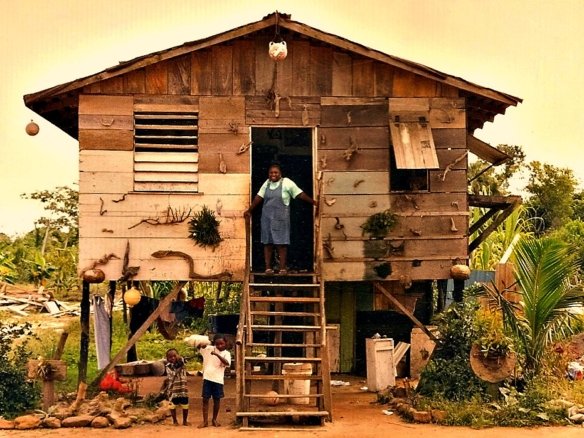
Many families still live in homes built from local materials such as thatch and cohune palm. Households are frequently multi-generational, where meals are shared, stories passed down, and every member has a role in the household and the fields.
Cacao and Chocolate
Cacao is both heritage and livelihood. Growers in Toledo cultivate it organically, and the district's deep ties to chocolate stretch from ancient ceremony to today's export trade. Dive deeper in Belize's Chocolate Trail – Cacao in Toledo.
Which Maya Villages Can You Visit in Toledo?
Several villages welcome visitors, each with its own character. The district town of Punta Gorda is the natural gateway and the base for most trips inland.
| Village | People | What to Experience |
|---|---|---|
| San Antonio | Mopan Maya | Traditional pottery, farming culture, hillside setting, historic church |
| San Pedro Columbia | Q'eqchi' Maya | Local artisans, cacao production, near the Lubaantun site |
| Big Falls | Mixed Maya | Rio Grande riverside life, hot springs, rice and cacao farms |
| Blue Creek | Mopan/Q'eqchi' | Rainforest trails, the Blue Creek cave and swimming hole |
| Laguna & San Miguel | Q'eqchi' Maya | TEA guesthouses, farm and craft demonstrations |
Nearby sites such as Lubaantun, Nim Li Punit, and Uxbenka connect residents to their ancestral past — but the villages themselves are very much alive.
How Does Community-Based and Homestay Tourism Work?
Toledo helped pioneer community-based tourism in Belize, giving travelers an authentic experience while keeping the benefits local.
The Toledo Ecotourism Association
The Toledo Ecotourism Association (TEA) runs a network of village-owned guesthouses and homestays. Participating communities have included San Antonio, Laguna, Santa Elena, and San Miguel. Visitors can choose anything from a simple day trip to a multi-day stay, with structured packages or à-la-carte visits.
The model is intentional: revenue helps families improve their quality of life in a remote district. Just as importantly, by giving cultural knowledge economic value, it encourages younger generations to keep skills like music, farming, and craft-making alive.
What a Stay Includes
Through TEA and similar community programs, guests typically take part in:
- Farm tours covering cacao, coffee, and corn cultivation
- Cacao grinding and traditional chocolate-drink making
- Craft classes using jungle materials — baskets, carving, and weaving
- Music and dance, including traditional performances
- Village walks that explain communal organization and daily life
What Cultural Experiences Await Visitors?
The richness of Toledo is in its everyday culture, generously shared.
Music, Food, and Craft
Music runs deep here — marimba and traditional drumming feature in celebrations and are taught to visitors in some villages. Meals are a highlight: expect caldo (a hearty spiced stew), hand-pressed corn tortillas made on a comal, cacao drinks, and fresh milpa produce. Craft traditions include San Antonio pottery, basketry, embroidery, and carving.
Festivals
Seasonal and cultural celebrations blend ancient belief with later influences — the Deer Dance and harvest festivals are colorful, spiritual community events. The district-wide Toledo Cacao Festival, held around Commonwealth Day weekend in May, celebrates Toledo's ancient and modern links to chocolate with food, music, and arts.
How Do You Visit the Maya Villages Responsibly?
Respectful travel keeps this culture thriving and welcoming.
- Book through community programs like TEA so your money stays in the villages.
- Ask before photographing people, homes, or ceremonies.
- Dress and behave modestly, especially in villages and churches.
- Buy directly from artisans and farmers at a fair price.
- Follow your host's lead on customs, greetings, and mealtimes, remembering you are a guest in a living community.
Frequently Asked Questions
Where are the Maya villages of Toledo located?
They are spread across the Toledo District in southernmost Belize, in the hills and river valleys inland from Punta Gorda. Many are reachable by road within an hour of town.
What is the difference between the Mopan and Q'eqchi' Maya?
Both are Maya peoples but with distinct languages and histories. The Mopan trace to the Yucatec Maya of the north, while the Q'eqchi' migrated from the highlands of Guatemala's Alta Verapaz. In Toledo they often live as neighbors.
Can you stay overnight in a Maya village?
Yes. The Toledo Ecotourism Association and individual families offer guesthouse stays and homestays in villages such as San Antonio, Laguna, and San Miguel, ranging from day visits to multi-night stays.
Is it respectful to visit Maya villages as a tourist?
When done thoughtfully, yes — community tourism is designed and welcomed by the villages themselves. Support local programs, ask permission before photos, and follow your host's guidance on customs.
What food will I eat in a Maya village?
Traditional dishes include caldo (a spiced stew), hand-made corn tortillas, beans, local produce, and cacao-based drinks, often prepared with ingredients grown on the family milpa.
Conclusion
The Maya villages of Toledo are a rare chance to meet a living, thriving culture on its own terms — from the smell of tortillas on the comal to the rhythm of a marimba after dark. Visit with respect, support the communities that host you, and you become part of the story that keeps these traditions strong. Ready to put down roots or invest near this remarkable culture? Explore Toledo District listings and community-connected properties on Habvia — Tropical Real Estate Redefined.