 by
by 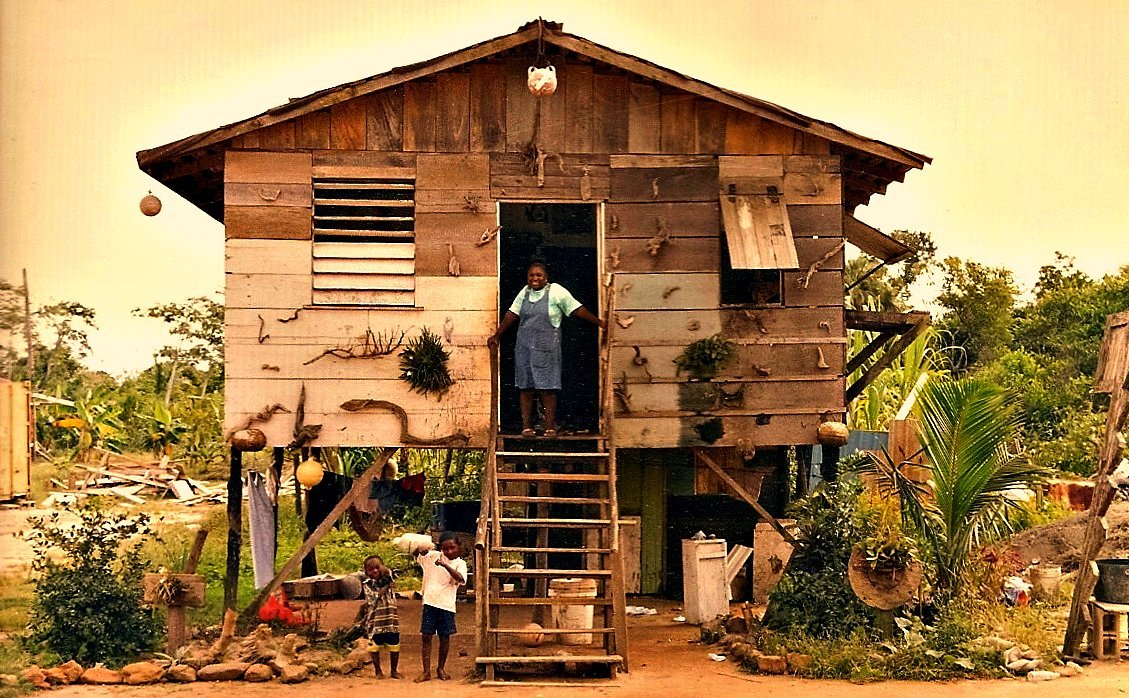
Punta Gorda, Belize, is the southernmost town in the country and the quiet capital of Toledo District, a place where paved highway finally runs out and rainforest, sea, and living Maya culture take over. Locals call it "PG." With roughly 5,000 residents and only a few hundred expatriates, it is remote, affordable, deeply multicultural, and made for travelers and relocators who value authenticity over polish.
Key Takeaways
- Punta Gorda is the last town on the Southern Highway and the gateway to Belize's least-developed, most culturally rich district.
- The population blends Garifuna, Maya (Q'eqchi' and Mopan), Creole, and East Indian communities, giving PG a diversity found nowhere else in Belize.
- International boats connect PG to Guatemala (Livingston and Puerto Barrios), with onward links toward Honduras.
- Toledo is the "Chocolate Capital of Belize," anchored by Maya cacao farms and the annual May Chocolate Festival.
- Real estate is among the cheapest in the country: a two-bedroom home near town can run around $69,000, and waterfront land under $3,000 per acre.
What Is Punta Gorda Really Like?
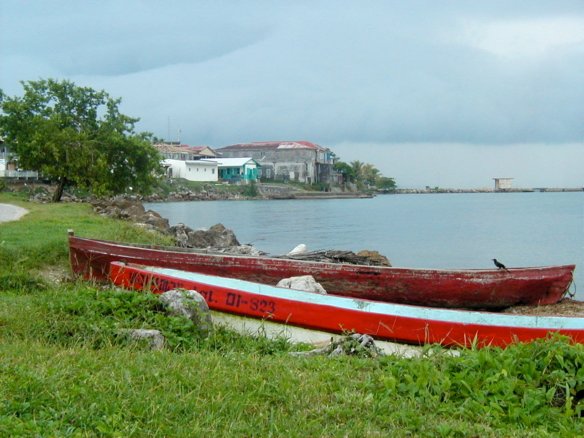
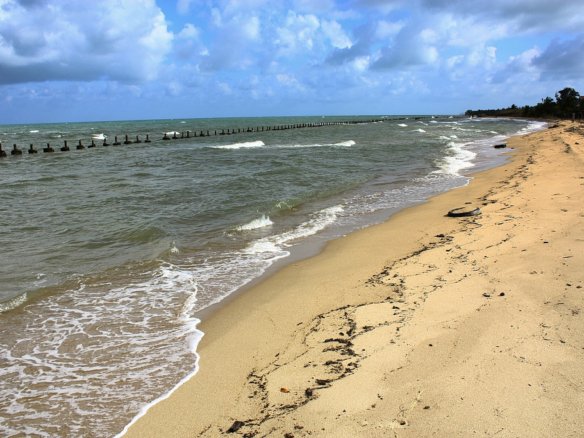
Punta Gorda sits on a low bluff above the Gulf of Honduras, at the end of the road in Belize's "Forgotten Land." There are no resort strips or cruise crowds. Life moves at a genuinely slow pace, set by fishing boats, market days, and afternoon rain.
A crossroads of cultures
PG is one of the most ethnically layered towns in Central America. The Garifuna brought drumming and cassava-based cooking; Q'eqchi' and Mopan Maya farm the surrounding hills; Creole and East Indian families round out a small, tight-knit community. This mix is central to wider [Belize Culture] and makes everyday life in PG feel unusually rich for a town its size.
Who thrives here
Punta Gorda rewards the adventurous, the self-reliant, and the curious. If you want nightlife and shopping malls, this is not your town. If you want reef, rainforest, and neighbors who wave from the porch, it is hard to beat.
Why Is the Saturday Market So Famous?
The Punta Gorda public market is the social and economic heart of Toledo. It runs several days a week, but Saturday is the main event, when Maya farmers walk in from surrounding villages to sell what they grew.
Expect stalls piled with:
- Sweet potatoes, yams, avocados, plantains, and oranges
- Fresh cacao beans, achiote, and local spices
- Recado, hot sauces, and homemade chocolate
- Garifuna cassava bread and seasonal river fish
The market is also the best crash course in [Belizean Food & Drink] you will find anywhere in the south, and prices are a fraction of what you would pay in northern resort towns.
Can You Take a Boat to Guatemala and Honduras?
Yes, and it is one of PG's defining features. Punta Gorda is an official port of entry, with regular passenger boats crossing the Gulf of Honduras to Guatemala. This makes the town a natural launch point for regional travel and cross-border errands.
Routes, operators, and prices
| Route | Approx. one-way fare | Duration | Notes |
|---|---|---|---|
| PG to Livingston, Guatemala | ~$50 USD | ~45 min | Runs Monday–Friday |
| PG to Puerto Barrios, Guatemala | ~$79 USD | ~1 hr | Often routed via Livingston |
| Livingston to Puerto Barrios | Q35–Q50 | ~30 min | Onward Guatemala connection |
Operators such as Requena's Charter Service and Rio Tropicales run the crossings; schedules shift seasonally, so confirm by phone or WhatsApp before you go. From Puerto Barrios, road and boat links continue toward Honduras, making PG a genuine tri-border hub. Bring your passport and budget for the Belize exit fee.
Is Punta Gorda Really the Chocolate Capital of Belize?
It has a strong claim. Toledo District is widely called the "Chocolate Capital of Belize," and cacao runs deep here, both literally and historically.
From Maya gold to modern bean-to-bar
The ancient Maya prized cacao as the "food of the gods" and used the beans as currency. Today Q'eqchi' and Mopan farmers still grow organic cacao in the hills around villages like San Antonio. When Hershey exited Belize in the 1980s the industry stumbled, but small farmers and craft makers have driven a strong comeback.
The Chocolate Festival
Every May, the Chocolate Festival of Belize takes over Punta Gorda with a cacao symposium, a Wine and Chocolate gala, and the popular Chocolate Street Fete. Many farms offer year-round bean-to-bar tours where you roast, grind, and taste your own chocolate.
How Do You Reach the Maya Villages and Ruins?
Punta Gorda is the gateway to Toledo's living Maya villages and its ancient stone cities. Guided village stays and homestays let you experience daily Maya life, while two major archaeological sites anchor any tour of the region's [Mayan Ruins].
Lubaantun
About 42 km northwest of PG near San Pedro Columbia, Lubaantun ("Place of Fallen Stones") is unusual among Maya sites. It was built around AD 700–870 from black slate blocks laid without mortar, using distinctive "in-and-out" masonry and rounded corners. It is also tied to the famous, and now debunked, crystal skull legend.
Nim Li Punit
Closer to the highway, Nim Li Punit ("Big Hat") is renowned for its carved stelae, including one of the tallest in the Maya world, along with plazas and a ball court. Both sites are easy day trips from town.
What Is It Like to Live in Punta Gorda?
Living in Punta Gorda means trading convenience for space, nature, and low costs. It suits off-grid dreamers, budget-minded retirees, and investors betting on Toledo's slow discovery.
Cost of living and real estate
Toledo is one of the most affordable corners of Belize:
- Monthly budget (couple, own home): roughly $1,155–$1,475
- Two-bedroom home near town: around $69,000
- Waterfront land: under $3,000 per acre
- Rental (3-bed, sea view): roughly $600 per month
- Property tax: often about $10 per year
Many properties run on solar, rainwater, and generators, so factor in off-grid systems. Because Toledo is under-developed, doing your homework on titles and access matters even more than usual; see our guide to [Buying Real Estate in Belize] before committing.
Practical realities
Basic healthcare, groceries, and internet are available in town, but serious medical care means traveling north. The expat community is small but welcoming, and English is the official language, easing the transition into the wider [Toledo District].
Frequently Asked Questions
Where is Punta Gorda, Belize?
Punta Gorda is the southernmost town in Belize and the capital of Toledo District, sitting on the Gulf of Honduras at the end of the Southern Highway, roughly 100 miles south of Belize City.
How do you get to Punta Gorda?
You can drive or take a bus down the Southern Highway from Belize City (about 5–6 hours), fly into the local airstrip on a domestic hop, or arrive by boat from Guatemala.
Is Punta Gorda safe for tourists and expats?
PG is generally considered quiet and low-crime compared with larger towns. As anywhere, use normal precautions, but the small-town, community feel is a big part of its appeal.
When is the best time to visit Punta Gorda?
The drier season from roughly February to May is ideal, and May adds the Chocolate Festival. Toledo is Belize's wettest district, so expect rain and lush green year-round.
Can foreigners buy property in Punta Gorda?
Yes. Foreigners can own land and homes in Belize with the same rights as citizens, making Toledo an accessible entry point for international buyers on a budget.
How affordable is living in Punta Gorda?
Very. A couple who owns their home can live on roughly $1,155–$1,475 per month, with low property taxes and inexpensive local produce from the market.
Conclusion
Punta Gorda is Belize at its most authentic: a multicultural town where Garifuna drums, Maya cacao, and Caribbean tides set the rhythm, and where affordable land still opens the door to an off-grid life most places have priced out. For the adventurous traveler, retiree, or investor, the Deep South rewards those who arrive curious and stay patient.
Ready to explore what is possible? Browse Punta Gorda and [Toledo District] listings on Habvia, Central America's MLS marketplace, and connect with a trusted local agent to find your place in Belize's Deep South.