 by
by 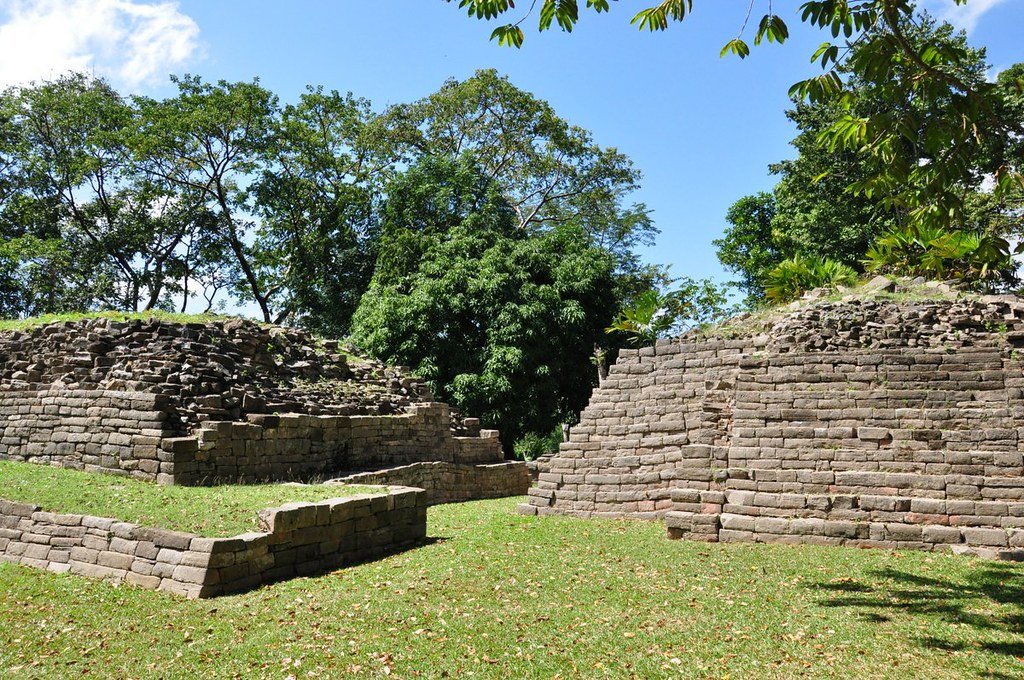
The Lubaantun and Nim Li Punit ruins are two of southern Belize's most rewarding Maya sites, tucked into the rainforest of Toledo District near Punta Gorda. Lubaantun astonishes with mortar-free stonework and rounded corners; Nim Li Punit safeguards some of the tallest carved stelae in Belize. Together they tell a rich Late Classic story worth a day trip.
Key Takeaways
- Lubaantun ("place of fallen stones") is famous for dry-stone construction laid without mortar, rounded corners, and pyramids with no roof combs.
- Nim Li Punit ("Big Hat") is renowned for its many carved stelae, including Stela 14, the tallest stela in Belize, plus royal tombs and jade.
- The popular Crystal Skull legend tying a quartz skull to Lubaantun is discredited; the skull was bought at auction, not excavated.
- Both sites sit in Toledo District, an easy drive from Punta Gorda off the Southern Highway.
- Admission is roughly US $5 per site, with local guides available.
Lubaantun: A City of Fitted Stone
Lubaantun rises from the hills near San Pedro Columbia village, about 42 kilometers (roughly 30 minutes) northwest of Punta Gorda. Its modern Maya name means "place of fallen stones," a nod to how the ridges of black slate have shifted over the centuries.
The city flourished during the Maya Classic period, roughly the AD 730s to 890s, before being abandoned relatively quickly. It served as a regional civic and ceremonial hub for the Toledo lowlands.
Distinctive Architecture
What sets Lubaantun apart is its construction. Builders fitted blocks of black slate together without mortar, a true dry-stone technique. Several other traits make the site unusual among Belize's Maya cities:
- Rounded corners on the step-pyramids rather than sharp Maya angles.
- "In-and-out" tiering, where each course steps back slightly from the one below.
- No roof combs or stone temples atop the pyramids, suggesting perishable wooden structures once stood there.
Ball Courts and Figurines
Archaeologists have mapped three ball courts to the east, west, and south of the main buildings, alongside an acropolis and Quirigua-style terracing. Lubaantun is equally celebrated for its abundant mould-made ceramic whistle figurines, small two-hole instruments depicting officials, deities, and ballplayers in ceremonial dress.
The Crystal Skull Myth
Lubaantun is entangled with one of archaeology's most enduring tall tales. Adventurer F.A. Mitchell-Hedges claimed a carved quartz "Crystal Skull" was discovered here in the 1920s. The story has been thoroughly discredited: research shows the skull was purchased at a Sotheby's auction in 1943, and no archaeological evidence supports an excavation at Lubaantun. Enjoy the legend as folklore, not history.
Nim Li Punit: The Place of Stelae
About 50 kilometers north of Punta Gorda, beside Indian Creek village, sits Nim Li Punit. Its Kekchi Maya name means "Big Hat", inspired by the elaborate headdress carved on one of its stone monuments. The road in branches off the Southern Highway for less than two kilometers, making it one of the easiest ruins to reach in the south.
Nim Li Punit thrived as a medium-sized center from roughly the 5th through 8th centuries AD, with inscribed dates spanning about 721 to 790. At its peak it may have housed 5,000 to 7,000 people before its 9th-century decline.
Carved Stelae and the Tallest in Belize
The site is defined by its wealth of sculpted monuments. Archaeologists have identified around 25 to 30 stelae, several bearing hieroglyphic texts that record ritual "scattering" ceremonies at Maya period-endings.
The standout is Stela 14, which at about 31 feet (roughly 9.5 meters) is the tallest stela in Belize and among the tallest in the entire Maya world, second only to Stela E at Quirigua in Guatemala. Interestingly, this colossal monument was carved but apparently never raised upright.
Royal Tombs and the Wind Jewel
Excavations around Structure 7 revealed royal tombs dating from roughly AD 400 to 830. Among the treasures was the "Wind Jewel," a large carved jade pectoral inscribed with glyphs documenting a ruler's accession and lineage, one of the most important pieces of worked jade found in Belize. A small on-site museum displays stelae and artifacts, and unlike Lubaantun, Nim Li Punit's buildings were bound with Maya mortar.
How to Visit Lubaantun and Nim Li Punit
Both ruins pair naturally into a single day from Punta Gorda, the gateway town of Toledo District. Nim Li Punit sits directly off the Southern Highway, while Lubaantun requires a short detour through nearby villages.
| Detail | Lubaantun | Nim Li Punit |
|---|---|---|
| Signature highlight | Mortar-free dry-stone pyramids, ball courts | Stela 14, tallest in Belize; royal tombs |
| Distance from Punta Gorda | ~42 km / 30 min | ~50 km / off Southern Highway |
| Nearest village | San Pedro Columbia | Indian Creek |
| Approx. admission | US $5 | US $5 |
| Hours | Daytime (approx. 8am–5pm) | 8am–5pm daily |
Getting There
- By car: Renting a vehicle offers the most flexibility; both turn-offs are signed from the Southern Highway.
- By taxi or shuttle: Expect roughly US $20–30 each way from Punta Gorda.
- By bus: Public buses (US $5–10) run along the highway but leave a walk to each entrance.
Tips for Your Visit
- Hire a local guide (about US $30–100) to bring the carvings and history to life.
- Wear sturdy shoes; trails can be muddy and uneven.
- Bring water, insect repellent, and sun protection.
- Start early to beat afternoon heat and rain, especially in the wet season.
Why These Ruins Matter
Lubaantun and Nim Li Punit reveal a distinct southern branch of Maya civilization, shaped by trade in obsidian and jade and expressed through unique architecture and sculpture. They round out The Maya Ruins of Belize with a character all their own, quieter than the northern giants yet deeply rewarding for travelers who make the journey into Toledo District.
Frequently Asked Questions
Is the Crystal Skull really from Lubaantun?
No. The famous Mitchell-Hedges crystal skull was purchased at a Sotheby's auction in 1943, and there is no archaeological evidence it was excavated at Lubaantun. It remains a discredited legend.
What makes Lubaantun's construction unusual?
Its builders fitted black slate blocks together without mortar (dry-stone masonry), and the pyramids feature rounded corners and no roof combs, traits rarely seen at other Maya sites in Belize.
What is Nim Li Punit famous for?
Nim Li Punit is known for its many carved stelae, including Stela 14, the tallest stela in Belize, as well as royal tombs and the jade "Wind Jewel" pectoral.
How far are the ruins from Punta Gorda?
Lubaantun is about 42 km (30 minutes) northwest, and Nim Li Punit is about 50 km north, just off the Southern Highway. Both are easy day trips.
How much does it cost to enter?
Admission is approximately US $5 per site. Optional local guides typically range from US $30 to $100 depending on tour length.
Can I visit both in one day?
Yes. Many travelers combine Lubaantun and Nim Li Punit in a single day trip from Punta Gorda, often adding a village or cacao-farm stop.
Conclusion
Lubaantun's fitted stone and Nim Li Punit's towering stelae make Toledo District an unforgettable stop for anyone drawn to Belize's ancient past. If exploring the south leaves you dreaming of putting down roots, Habvia connects international buyers and agents with homes and land across Central America's most captivating regions. Dreaming of a home near Belize's southern Maya heartland? Explore Toledo District listings on Habvia, Tropical Real Estate Redefined.