 by
by 
Fishing in Belize is among the finest saltwater angling on the planet, thanks to shallow turquoise flats, the second-largest barrier reef on Earth, and blue water just offshore. Anglers come chasing the legendary "Grand Slam" of bonefish, permit, and tarpon, but Belize also delivers reef, deep-sea, and river fishing. This guide covers where to go, what to catch, and the rules that keep it thriving.
Key Takeaways
- Belize is a world-class flats destination for the Grand Slam: landing a bonefish, permit, and tarpon in a single day.
- Bonefish, permit, and tarpon are catch-and-release only by law (enacted 2009); it is illegal to keep or harm them.
- Every visiting angler needs a sport fishing license from the Coastal Zone Management Authority, available online.
- Top zones include Ambergris Caye, Turneffe Atoll, Placencia, and Caye Caulker.
- Beyond the flats, Belize offers reef fishing for snapper and grouper and offshore trips for sailfish, marlin, and mahi-mahi.
Why Is Belize a World-Class Fishing Destination?
Belize packs an extraordinary range of fisheries into a small, accessible country. In one trip you can sight-cast to tailing permit at dawn, jig the reef by midday, and troll blue water in the afternoon. Its marine wealth comes down to three features working together:
- Extensive flats and lagoons that hold bonefish and permit in clear, wadeable water.
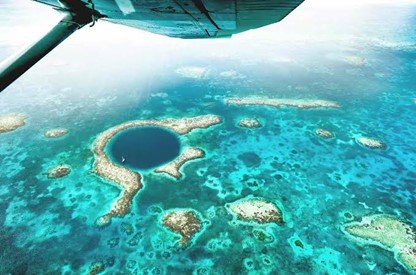
- The Belize Barrier Reef, a UNESCO World Heritage Site teeming with snapper, grouper, and barracuda.
- Deep offshore drop-offs just beyond the reef where pelagic game fish roam.
Add year-round warm weather, English as the official language, and a strong conservation ethic, and it is easy to see why Belize tops many anglers' lists. For a wider look at the country's adventures, see our guide to Things to Do in Belize.
What Types of Fishing Can You Do in Belize?
Belize rewards nearly every style of angler, from fly-rod purists to big-game trollers.
| Fishing type | Target species | Where to find it |
|---|---|---|
| Fly / flats fishing | Bonefish, permit, tarpon (the Grand Slam) | Turneffe Atoll, Ambergris Caye, Placencia flats |
| Reef fishing | Red & yellowtail snapper, Nassau grouper, barracuda | Belize Barrier Reef, Hol Chan, Laughing Bird Caye |
| Deep-sea / offshore | Sailfish, blue & white marlin, mahi-mahi, wahoo, tuna | Blue water beyond the reef, Gladden Spit |
| River & lagoon | Snook, juvenile tarpon, jack crevalle | Placencia Lagoon, mangrove estuaries |
Fly and flats fishing is Belize's signature. The clear, shallow flats create ideal conditions for sight fishing to bonefish (fast and elusive), permit (famously hard to fool on a fly), and tarpon (explosive jumpers).
Reef fishing is productive and family-friendly, with snapper and grouper close to shore. Deep-sea fishing targets trophy pelagics on heavy tackle, while river and lagoon fishing in brackish mangroves yields hard-fighting snook and juvenile tarpon.
What Is the Belize Grand Slam?
The Grand Slam is the holy grail of flats fishing: catching a bonefish, a permit, and a tarpon within a single day. A "Super Slam" adds a snook to the tally.
Each species demands a different skill set:
- Bonefish patrol sandy flats in schools; they spook easily and run hard.
- Permit are wary, selective, and considered one of the toughest fly-rod fish in the world.
- Tarpon deliver acrobatic fights and can range from juveniles in the lagoons to large migratory fish.
Belize's overlapping habitats mean all three species live within reach of the same guide skiff, making the country one of the most realistic places on Earth to complete a Slam. Turneffe Atoll is especially renowned for putting anglers on all three in one outing.
Where Are the Best Places to Fish in Belize?
Each fishing hub has its own character. Many are covered in depth in The Islands & Cayes of Belize – A Complete Guide.
Ambergris Caye is Belize's largest island and a flats-fishing capital, with easy access to bonefish, permit, and tarpon. Standout spots include Hol Chan Marine Reserve for reef action and Boca del Rio for fly and spin casting. Learn more in Ambergris Caye_ Belize's Premier Island Destination.
Turneffe Atoll is a remote, pristine ecosystem widely regarded as the premier Grand Slam location, and it doubles as a diving and deep-sea base.
Placencia is the go-to for reef and offshore trips: Gladden Spit for whale sharks and pelagics, Laughing Bird Caye for snapper and barracuda, and Placencia Lagoon for tarpon and snook. Read our full Placencia guide for logistics.
Caye Caulker offers a laid-back base, with reef fishing for snapper and grouper and nearby flats holding tarpon, bonefish, and barracuda.
What Are the Fishing Rules and Licensing Requirements?
Belize is a global leader in flats conservation, and following the rules is both a legal and ethical must.
- Sport fishing license: Required for all visiting anglers roughly aged 16 to 65. Licenses are issued by the Coastal Zone Management Authority and Institute (CZMAI) and can be purchased online at apps.coastalzonebelize.org or arranged through your lodge or guide. Day and weekly options are inexpensive.
- Catch-and-release law: Under legislation enacted in 2009, bonefish, permit, and tarpon are strictly no-take. It is illegal to possess these species except in the act of catch and release.
- Marine reserves: Fishing inside protected areas such as Hol Chan requires the appropriate reserve permit or fee.
- Seasonal closures: Lobster season runs July 1 to February 28, and conch season runs October 1 to June 30. Harvesting outside these windows is prohibited.
- Offshore ethics: Releasing billfish such as marlin and sailfish is strongly encouraged.
How Do You Plan a Successful Fishing Trip?
A little preparation goes a long way in Belize.
- Book a licensed guide. Local guides know the tides, the flats, and the rules, and dramatically improve your odds, especially on permit.
- Match your gear to the fishery. Light fly rods and weighted flies for bonefish and permit; live bait and trolling rigs for the reef; heavy tackle offshore.
- Handle fish responsibly. Keep protected species in the water, use barbless hooks, and avoid damaging coral.
- Pack smart. Reef-safe sunscreen, polarized sunglasses, sun-protective clothing, and plenty of water.
Frequently Asked Questions
Do I need a fishing license to fish in Belize?
Yes. Visiting anglers roughly aged 16 to 65 must hold a sport fishing license issued by the Coastal Zone Management Authority. You can buy one online or have your lodge or guide arrange it before your trip.
Are bonefish, permit, and tarpon really catch-and-release only?
Yes. Since legislation enacted in 2009, these three species are protected as no-take. It is illegal to keep or harm them, and they may only be handled briefly during catch and release.
When is the best time to go fishing in Belize?
Belize offers year-round fishing. Bonefish are reliable in every season, permit fish well through much of the year, and tarpon are most abundant in the warmer migratory months from roughly March through September.
Where is the best place to catch a Grand Slam?
Turneffe Atoll is the most celebrated Grand Slam destination, though Ambergris Caye and Placencia also hold all three species within a single day's fishing.
What fish can I keep and eat in Belize?
Reef and offshore species such as snapper, grouper, and mahi-mahi may be kept within regulations, while lobster and conch are limited to their open seasons.
Conclusion
Fishing in Belize is more than a sport; it is an immersion in one of the richest, best-protected marine environments in the Caribbean. Whether you are chasing the Grand Slam on the flats of Turneffe, drifting the barrier reef, or trolling blue water off Placencia, the experience is unforgettable, and the conservation rules ensure it stays that way for generations.
If the pull of these waters has you dreaming of staying longer, Habvia can help you put down roots. Explore homes, condos, and land near Belize's finest fishing grounds on Habvia and make Tropical Real Estate your reality.