 by
by 
Wildlife and birdwatching in Belize deliver some of Central America's richest encounters, packed into a country smaller than Massachusetts. Here you can track jaguars through the world's first jaguar preserve, spot the vibrant keel-billed toucan, watch scarlet macaws at Red Bank, and snorkel beside whale sharks. With more than 500 bird species and five wild cats, Belize is a living wilderness waiting to be explored.
Key Takeaways
- Belize protects all five of Central America's wild cats — jaguar, puma, ocelot, margay, and jaguarundi — plus the Baird's tapir, the national animal.
- The country hosts 500-plus bird species, led by the keel-billed toucan, Belize's national bird.
- Top sites include Cockscomb Basin, Crooked Tree, the Community Baboon Sanctuary, and Red Bank for seasonal macaws.
- Marine highlights: whale sharks at Gladden Spit (March-June), West Indian manatees, and red-footed boobies at Half Moon Caye.
- The dry season (roughly November-May) offers the best access and viewing conditions.
Why Is Belize So Rich in Wildlife?
Belize sits where lowland rainforest, pine ridge, savanna, wetlands, mangroves, and the world's second-largest barrier reef meet. Roughly a third of the country is protected, and a low human population leaves vast tracts of habitat intact.
This mosaic supports extraordinary biodiversity: hundreds of bird species, dozens of mammals, and a rich marine realm. For travelers, it means jungle, wetland, and reef encounters are all within a short drive or boat ride — a rare convenience explored further in our guide to Things to Do in Belize.
What Iconic Animals Can You See in Belize?
Belize's forests shelter a roll call of charismatic creatures. Patience, an early start, and a good local guide dramatically improve your odds.
The Big Cats
Belize is one of the best places in the region to protect — and occasionally glimpse — wild cats. All five species live here: the jaguar (the largest cat in the Americas), the puma, and the smaller, elusive ocelot, margay, and jaguarundi. Sightings are rare because the cats are shy and largely nocturnal, but tracks and camera-trap evidence are common in protected areas.
Mammals of the Forest and River
- Baird's tapir — the national animal, locally called the "mountain cow," and Central America's largest land mammal.
- Black howler monkeys — famous for their roaring calls; protected at the Community Baboon Sanctuary.
- Yucatan spider monkeys — acrobatic canopy dwellers.
- West Indian manatees — gentle "sea cows" in coastal lagoons and river mouths.
- Morelet's and American crocodiles, plus coatis, agoutis, peccaries, and armadillos.
Where Are Belize's Best Wildlife and Birding Sites?
From jaguar country to flooded lagoons, each reserve offers a distinct experience. The table below summarizes the standouts.
| Site | Key Wildlife | Notes |
|---|---|---|
| Cockscomb Basin Wildlife Sanctuary (Jaguar Preserve) | Jaguars, other cats, howler monkeys, toucans | World's first jaguar preserve; great trails and waterfalls |
| Crooked Tree Wildlife Sanctuary | Jabiru storks, herons, egrets, snail kites | Premier waterbird wetland; best in the dry season |
| Community Baboon Sanctuary | Black howler monkeys | Community-run conservation success near Bermudian Landing |
| Red Bank Village | Scarlet macaws | Seasonal flocks, roughly January-March |
| Half Moon Caye Natural Monument | Red-footed boobies, frigatebirds | Offshore atoll seabird colony; also a dive site |
| Gladden Spit & Silk Cayes | Whale sharks, reef fish | Whale shark aggregation March-June |
Cockscomb Basin Wildlife Sanctuary (Jaguar Preserve)
Spanning roughly 150,000 acres in the Maya Mountains, Cockscomb is the world's first jaguar preserve and the heart of Belize's big-cat conservation. Even without a jaguar sighting, you'll encounter howler monkeys, toucans, motmots, and trails leading to swimming holes and waterfalls.
Crooked Tree Wildlife Sanctuary
This vast lagoon system in the Belize District is a birder's paradise, drawing thousands of waterbirds. The dry-season lowering of water levels concentrates fish — and the birds that feed on them, including the towering jabiru stork, the largest flying bird in the Americas.
Community Baboon Sanctuary
A grassroots reserve where local landowners protect black howler monkey habitat along the Belize River. It's a model of community conservation and one of the most reliable places to see — and hear — howler troops up close.
What Makes Belize a World-Class Birding Destination?
With over 500 recorded species in a compact area, Belize packs remarkable diversity into short distances. Habitats range from reef cayes to pine ridge to broadleaf jungle, so a week of birding can yield hundreds of species. Marquee birds to target:
- Keel-billed toucan — the national bird, with its rainbow-hued bill.
- Scarlet macaws — seasonal at Red Bank (about January-March).
- Jabiru stork, snail kite, and black-collared hawk in the wetlands.
- Red-footed boobies and magnificent frigatebirds at Half Moon Caye.
- Trogons, motmots, parrots, hummingbirds, and orange-breasted falcons.
Migratory species swell the numbers in the northern winter, making the dry months especially productive.
What Marine Life Can You Encounter?
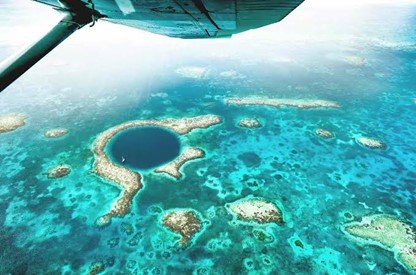
Belize's Caribbean waters are as wild as its jungles — the barrier reef and its atolls form an underwater safari of their own.
- Whale sharks — the world's largest fish gather near Gladden Spit from roughly March to June, drawn by the spawning aggregations of snapper and grouper around the full moons.
- West Indian manatees — best seen in calm coastal lagoons and river mouths.
- Reef life — sea turtles, nurse sharks, eagle rays, and hundreds of fish species along the Belize Barrier Reef.
- Seabirds — the red-footed booby colony at Half Moon Caye Natural Monument is a highlight for divers and birders alike.
When Is the Best Time for Wildlife and Birding?
Belize is a year-round destination, but timing shapes your experience:
- Dry season (roughly November-May): Easier access, concentrated waterbirds at Crooked Tree, and peak migratory numbers.
- January-March: Prime window for scarlet macaws at Red Bank.
- March-June: Whale shark season at Gladden Spit.
- Green/wet season (June-November): Lush forests, fewer crowds, and active resident birds — expect afternoon rain.
Early morning is golden for nearly all wildlife: birds are most vocal and mammals most active before the heat.
How Can You Watch Wildlife Responsibly?
Belize's conservation ethic is woven into its culture — a theme you'll see reflected across Belize Culture. Travelers can help keep it thriving:
- Hire licensed local guides; they know the animals and support communities.
- Keep a respectful distance; never feed or touch wildlife, including at reef sites.
- Choose reef-safe sunscreen and follow marine-park rules with manatees and whale sharks.
- Stay on marked trails, pack out all trash, and support community-run reserves whose fees fund protection.
Frequently Asked Questions
What is the national animal of Belize?
The Baird's tapir, locally known as the "mountain cow." It's Central America's largest land mammal — a shy, herbivorous browser found in Belize's forests and wetlands.
What is the national bird of Belize?
The keel-billed toucan, instantly recognizable by its large, multicolored bill. It lives in lowland forests and is often seen in fruiting trees at dawn.
Can you see jaguars in Belize?
Belize protects jaguars in reserves like Cockscomb Basin, but sightings are rare because the cats are nocturnal and elusive. Most visitors find tracks and signs rather than the animals themselves.
When can you swim with whale sharks in Belize?
Whale sharks gather near Gladden Spit from about March to June, timed to fish spawning aggregations around the full moons. Tours run from Placencia and nearby cayes.
Where is the best birdwatching in Belize?
Crooked Tree Wildlife Sanctuary is the top wetland-bird site, while Cockscomb Basin, Red Bank, and the offshore cayes add jungle and seabird diversity.
Do I need a guide to see wildlife in Belize?
It's highly recommended. Licensed guides improve your odds dramatically, ensure safety, and support local conservation and communities.
Conclusion
Few places pack as much wild wonder into so small a footprint as Belize — from jaguar country and toucan-filled canopies to whale sharks cruising the reef. Whether you're chasing 500 birds or a single tapir sighting, the country rewards curiosity and care. If Belize's wild beauty has you dreaming of staying longer, browse eco-friendly homes and land near Belize's wildlife sanctuaries on Habvia — your gateway to tropical real estate, redefined.